Source wireless drilling logging inclinometer for oil wells
Compare 25 wireless drilling logging inclinometer options from verified Chinese manufacturers. Buyers can evaluate specifications like accuracy, temperature range, and battery life to find the right tool for directional drilling projects; compare the available evidence and request quotations based on your requirements.
Key considerations
Products List


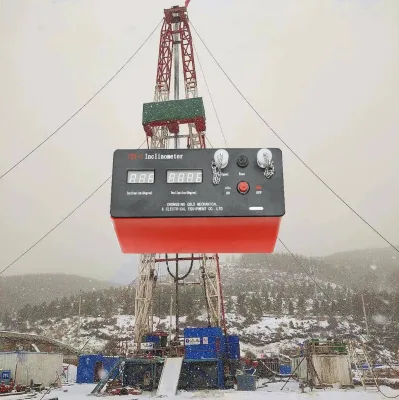
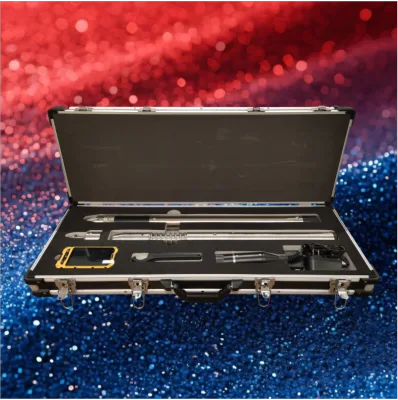


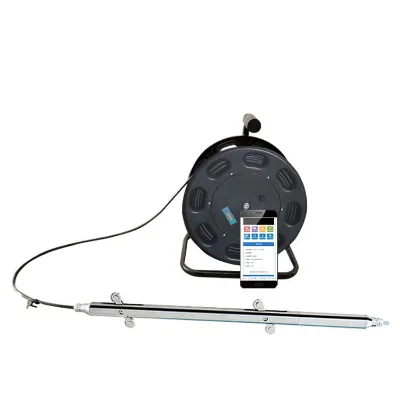
Comprehensive Sourcing Guide
Wireless Drilling Logging Inclinometer Sourcing Guide
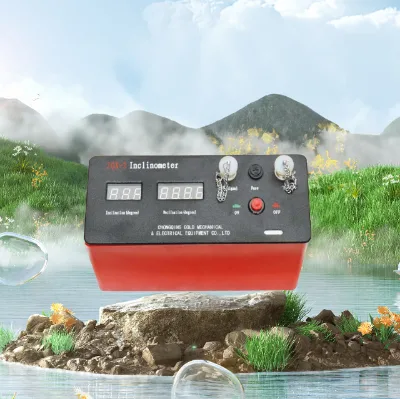
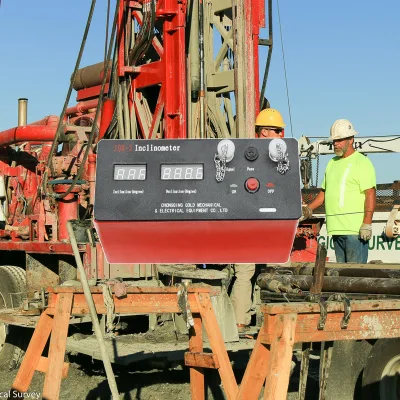
Procuring wireless drilling logging inclinometers requires a strategic approach to balancing high-precision measurement capabilities with the rugged demands of downhole environments. These instruments are critical for directional drilling operations, providing real-time data on wellbore trajectory, inclination, and toolface orientation. Buyers must prioritize devices that offer robust digital output signals, such as RS232, RS422, or RS485 interfaces, to ensure seamless integration with surface recording systems. The shift from wired to wireless systems enhances operational efficiency by reducing connection failures and allowing for continuous logging during tripping operations.
The market offers a variety of models, including specific configurations like the DCM-4ST, which cater to different hole diameters ranging from Nq to Pq sizes. Understanding the specific azimuth and dip accuracy requirements is essential, as variations in sensor precision can significantly impact drilling outcomes. Buyers should evaluate the probe’s ability to withstand high pressures, potentially up to 20MPa, and operate within extreme temperature ranges. This guide outlines the key technical, commercial, and quality assurance factors necessary for making informed procurement decisions in this specialized sector.
Product Scope and Observed Listing Signals
The current market landscape for wireless drilling logging inclinometers reveals a diverse range of product listings with significant variability in specifications and pricing. Observed price points span from approximately $0.1 to $50,000, reflecting differences in sensor technology, build quality, and included software support. Minimum order quantities typically range from one to ten units, indicating that suppliers are accustomed to serving both individual project needs and larger fleet deployments. This wide price dispersion necessitates careful evaluation of what is included in the base price, such as calibration certificates, spare parts, or extended warranty coverage.
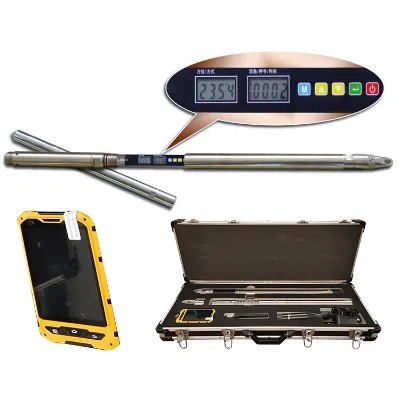
Listing signals often highlight key attributes such as a 360-degree azimuth coverage and dip accuracy of 0.2 degrees, which are critical for precise directional control. Some products emphasize a capacitive type sensor with independent technology development, suggesting a focus on proprietary innovation and reliability. Buyers should note that while some listings mention a 1-year warranty and available after-sales service, the specifics of these support structures can vary widely. It is crucial to verify whether the listed price includes the ground instrument, probe, and necessary communication cables, as these components are often sold separately or in different bundles.
Technical Specifications to Verify
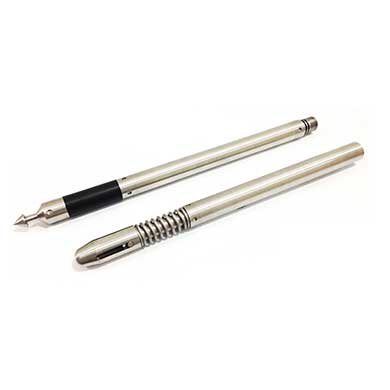
When evaluating technical specifications, buyers must verify the probe’s dimensional constraints and material compatibility with the intended drilling environment. Standard probe outlines may measure around 42x1000mm, with a weight of approximately 6kg, which affects handling and deployment logistics. The operating temperature range is a critical factor, with some units rated for -10°C to 60°C, while others may support higher temperatures up to 135°C. Ensuring the device can withstand the expected thermal and pressure conditions of the wellbore is essential to prevent premature failure and data loss during critical drilling phases.
Data output and storage capabilities are equally important considerations for modern drilling operations. Look for devices that offer digital output signals and substantial internal storage, such as 8GB, to accommodate long-duration logging sessions without frequent data offloading. The endurance of the probe, often cited as approximately 20 hours on a 7.4V lithium battery, should be matched against the expected duration of each drilling run. Additionally, verify the accuracy of vertical and horizontal line measurements, as deviations of even 0.1 degrees can accumulate over long distances, leading to significant trajectory errors.
Compliance and Safety Documentation
Compliance with international standards is a foundational requirement for any drilling equipment entering the market. Buyers should request proof of ISO certification, which indicates adherence to quality management systems and consistent manufacturing processes. While specific safety certifications may vary by region, ensuring that the supplier provides comprehensive documentation is vital for regulatory approval and site acceptance. This documentation should include detailed technical manuals, calibration reports, and safety data sheets that outline the handling and maintenance procedures for the electronic components.
Safety in hazardous environments also requires careful attention to the electrical specifications of the probe. The use of lithium batteries necessitates clear guidelines on charging, storage, and disposal to prevent thermal runaway or other safety incidents. Buyers must verify that the device meets relevant explosion-proof standards if it is to be used in potentially explosive atmospheres. Although specific certification names are not always listed, the presence of a robust safety protocol and clear operational limits, such as maximum depth ratings of 2000 meters, are strong indicators of a supplier’s commitment to safety and regulatory compliance.
Cost Drivers and Commercial Terms
Several factors influence the total cost of ownership for wireless drilling logging inclinometers, beyond the initial purchase price. The complexity of the sensor technology, such as 3-axis magnetometers and high-accuracy gyroscopes, directly impacts manufacturing costs. Customization options, including OEM, ODM, and OBM support, can also add to the expense but may provide long-term value through tailored solutions. Buyers should consider the cost of ancillary equipment, such as hard PP cases or anti-static boxes, which are essential for protecting the sensitive electronics during transport and storage.
Commercial terms regarding warranty and after-sales service play a significant role in mitigating long-term risks. A standard one-year warranty is common, but buyers should negotiate for extended coverage or on-site support options for critical projects. The availability of spare parts and the lead time for replacements are crucial for minimizing downtime in drilling operations. Additionally, clarify the payment terms and currency options, as international transactions may involve additional fees or exchange rate risks. Understanding the full scope of support services included in the contract helps in accurately comparing quotes from different suppliers.
Supplier Qualification and Quality Control
Supplier qualification is a critical step in ensuring the reliability and performance of wireless drilling logging inclinometers. Buyers should assess the supplier’s manufacturing capabilities, including their facility location, such as Chongqing, China, which is a known hub for drilling equipment production. Verify the supplier’s experience in developing independent technology and their track record in the industry. A supplier with a strong history of producing high-quality instruments is more likely to provide consistent performance and reliable support throughout the product lifecycle.
Quality control processes should be transparent and rigorous, encompassing both incoming material inspections and final product testing. Buyers should request information on the supplier’s quality management system and their approach to calibration and accuracy verification. The ability to provide detailed test results and calibration certificates for each unit is a strong indicator of a supplier’s commitment to quality. Additionally, consider the supplier’s capacity to handle customized orders and their responsiveness to technical inquiries, as these factors contribute to a smoother procurement and integration process.
Long-Term Procurement Checks
Long-term procurement success depends on establishing a sustainable relationship with suppliers who can support ongoing operational needs. Regularly review the performance of the inclinometers in the field, tracking metrics such as mean time between failures and data accuracy over time. This feedback loop is essential for identifying any recurring issues and providing constructive feedback to the supplier for continuous improvement. Maintaining open communication channels ensures that any technical challenges are addressed promptly, minimizing disruption to drilling operations.
It is also important to stay updated on technological advancements and new product offerings from your suppliers. The drilling industry is evolving rapidly, with new sensor technologies and communication protocols emerging regularly. Engaging with suppliers to discuss future upgrades or replacements can help in planning for long-term efficiency gains. Additionally, review the supplier’s commitment to after-sales service and warranty support periodically to ensure that it remains aligned with your operational requirements. A proactive approach to supplier management helps in securing the best value and performance from your drilling logging equipment investments.
FAQs
What is the accuracy of the wireless drilling logging inclinometer?
The device offers high precision with dip accuracy of 0.2 degrees and azimuth accuracy of 3 degrees. Some models provide even finer resolution at 0.1 degree for specific applications. This ensures reliable data collection during complex drilling operations where exact orientation is critical for success.
How deep can the probe operate in the wellbore?
The probe is designed to withstand high pressure up to about 20MPa, allowing operation at depths of approximately 2000 meters. This capability ensures the tool remains functional in deep well environments without failure, providing consistent measurements throughout the entire drilling process for various geological formations.
What is the battery endurance for continuous operation?
The unit features a 7.4V lithium battery that supports about 20 hours of continuous operation. This long endurance allows for extended drilling sessions without frequent recharging, ensuring uninterrupted data logging and measurement capabilities while maintaining power efficiency during critical downhole surveying tasks.
Which certifications does the manufacturer hold for this equipment?
The product carries ISO certification, indicating compliance with international quality management standards. This certification assures buyers of consistent manufacturing processes and reliable product performance. It serves as a key verification point for procurement teams seeking trusted suppliers who adhere to rigorous global industry requirements.
Can the inclinometer be customized for specific drilling needs?
Yes, the manufacturer offers customized solutions including OEM, ODM, and OBM support. Buyers can request specific modifications to meet unique operational requirements. This flexibility allows for tailored configurations that address distinct drilling challenges while maintaining the core functionality and accuracy of the standard wireless logging system.
What is the operating temperature range for the device?
The equipment functions reliably within a temperature range of -10 degrees Celsius to 60 degrees Celsius. Certain models support extreme conditions up to 135 degrees Celsius. This wide range ensures the tool remains operational in diverse environmental conditions encountered during various drilling projects across different geographical locations.
How is the product packed for safe shipping?
Items are securely packed in hard PP cases or anti-static boxes to prevent damage during transit. Some units may also be shipped in cartons depending on the specific configuration. This robust packaging ensures the sensitive electronic components remain protected and fully functional upon arrival at the destination site.